
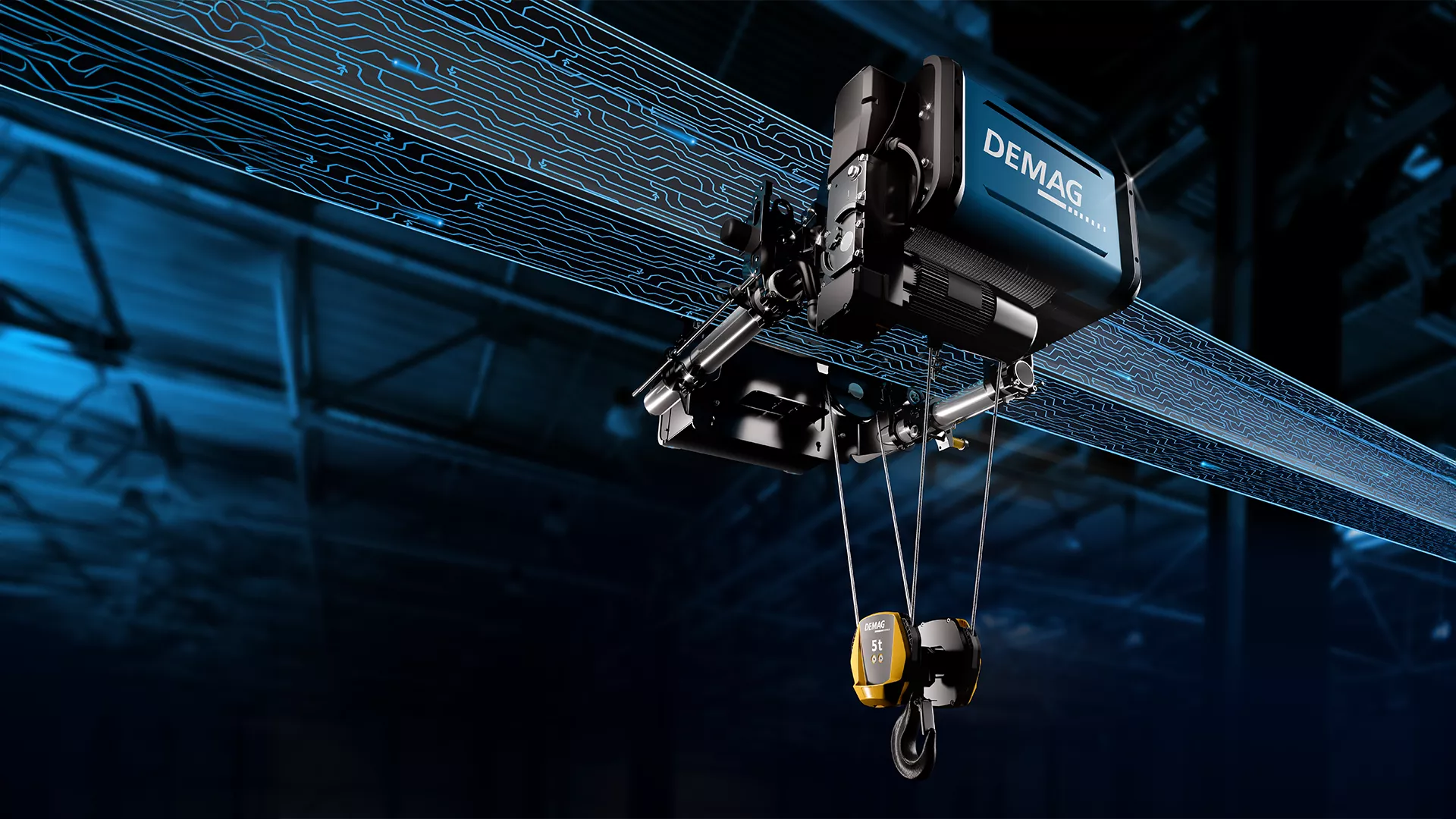
How to Choose the Right Industrial Crane
Table of Content

How to Choose the Right Industrial Crane
Two plants can each order a 10-ton crane and need completely different machines. One lifts steel coils for sixteen hours a day inside a long bay, while the other moves a die twice a shift in a compact workshop. Knowing how to choose the right industrial crane means matching the machine to the load, the building, the duty and the budget, not just to a capacity figure on a quotation.
This guide walks through the decision in the order an engineer would follow it. It compares the main crane types, explains the seven checks that matter, lists the mistakes that cost buyers money, and shows what to prepare before you ask suppliers for prices. Timeskrane has worked in industrial lifting since 1988, and the advice below reflects the questions we ask every buyer first.
What Counts as an Industrial Crane
An industrial crane is a fixed or semi-fixed lifting machine built for repeated use in a plant, workshop, warehouse or yard. It differs from a mobile or construction crane because it works in a defined area, on a runway or support structure, and runs on mains power. Most Indian factories choose from overhead (EOT), gantry, jib, KBK and underslung designs, usually paired with an electric wire rope or chain hoist.
The first decision is the crane family. The second is the configuration inside that family, such as single or double girder. The remaining checks refine the specification so the supplier can quote accurately.
Industrial Crane Types Compared
The table below summarizes where each type fits. Use it to shortlist two options, then test them against the steps that follow.
|
Crane type |
Works best for |
Main limitation |
|---|---|---|
|
Single girder EOT |
Workshops and moderate loads in covered bays |
Lower capacity and span than double girder |
|
Double girder EOT |
Heavy loads, long spans and heavy duty cycles |
Higher cost and heavier runway |
|
Underslung |
Warehouses and bays where columns block the floor |
Capacity limited by roof structure (ours go up to 10 tons) |
|
Gantry and semi-gantry |
Open yards and storage areas, or bays with no runway |
Needs rails and level ground |
|
Jib |
Single workstations and machine loading |
Covers a circular area only |
|
KBK light crane system |
Light loads over several stations |
Not for heavy lifts |
Buyers often hesitate between an overhead and a gantry design. Our comparison of EOT crane vs gantry crane explains how building, space and cost decide that choice.
Seven Steps to Choose the Right Industrial Crane
1. Define the load and the lift
Start with the heaviest load the crane will ever lift, then add the weight of slings, spreader beams, magnets or other attachments. Record the typical load as well, because a crane that lifts one ton all day but ten tons once a month is designed differently from one that lifts ten tons all day.
Also note the lift height, meaning the distance from the floor to the highest hook position. Hook height and headroom under the roof truss together decide whether a given crane fits the bay.
2. Map the work area
Measure the span between runway rail centers and the length of the bay the crane must travel. Mark every point where loads are picked up and set down, and note obstacles such as columns, ducts and machines. A drawing or photographs of the bay helps the supplier check hook reach before fabrication begins.
3. Check the building structure
A crane puts load on the building. Runway beams need columns and foundations that can carry the crane's weight plus the rated load, along with the forces from starting and stopping. If the structure cannot take a runway, an underslung crane, a free-standing gantry or added support columns are the usual solutions. Have a structural engineer confirm the existing building before the order.
4. Set the duty class
Duty class describes how hard the crane works, based on lifts per hour, operating hours per day and how often it carries loads near its capacity. Classification systems such as ISO 4301-1 group cranes from light to very heavy duty, so confirm which system your supplier uses. A crane specified too light wears out early, and one specified too heavy wastes money, so be honest about shift patterns.
5. Match controls and safety features
Modern cranes offer features that were once optional extras. Variable frequency drives give smooth acceleration and slow creep speeds, which cuts load swing and wear. Radio remote control lets the operator stand where the load and hook are visible. Overload limiters, limit switches and anti-collision devices reduce the risk of accidents and damage. Some suppliers also offer data logging for lift counts, running hours and overload events, which supports maintenance planning.
6. Account for the environment
Heat, dust, moisture, corrosive vapors and outdoor exposure all change the specification. Foundries and steel plants need higher duty classes and protection for motors and cables. Food and chemical plants may need sealed or washdown-friendly equipment. Open-air cranes need weather protection, wind-safe design and anchoring. Lifting molten metal or working in hazardous areas calls for purpose-designed equipment, so state it clearly in the enquiry.
7. Compare total cost, not only price
The purchase price is part of the cost. Installation, runway work, power supply, spare parts, maintenance and downtime all add to it over the crane's life. Our EOT crane price guide by capacity shows how capacity and span move the price, and it helps you set a realistic budget before you compare quotations.
Common Mistakes When Choosing an Industrial Crane
Most poor purchases come from a handful of avoidable errors:
- Choosing by capacity alone and ignoring span, hook height and duty class
- Forgetting the weight of lifting attachments when stating the load
- Assuming the existing building can carry a runway without a structural check
- Underestimating future needs, such as heavier loads or longer shifts
- Selecting the lowest quotation without comparing scope, components and service terms
- Leaving out the power supply, runway and installation from the budget
A short planning exercise before the enquiry prevents most of these. Writing down the load, the bay, the duty and the environment takes an hour and often saves weeks of back-and-forth.
What to Prepare Before You Request a Quote
Suppliers can only quote accurately from complete information. Gather these items first:
- Rated capacity and the weight of lifting attachments
- Span, bay length, lift height and available headroom
- Duty details: lifts per hour and operating hours per day
- Control preference: pendant, radio remote or cabin
- Power supply details at the bay
- Operating conditions, including heat, dust, moisture and outdoor use
- A sketch or photographs of the area
Safety and Compliance in India
Cranes in India are subject to statutory examination by a competent person under the Factories Act and state rules. A new crane should be load tested and documented at commissioning, and the records kept on file. Requirements vary by state, so confirm the current rules with your factory inspectorate before installation.
How Timeskrane Helps You Choose
Timeskrane has been in industrial lifting since 1988, and the TK Crane brand was launched in 2012. Our range covers EOT cranes, hoists, KBK systems, jib cranes and portal cranes for manufacturing, steel, automotive, cement, power, textile and chemical plants across India. You can see the full range on our page for industrial crane manufacturers in India. Our team reviews your load, bay and duty first, then recommends the type that fits, even if that means a simpler crane than you expected.
Ready to specify your crane?
Share your load, span and lift height, and our team will recommend a crane type and send a clear quotation. Request a Quote or call 9810040296.
Frequently Asked Questions
Which industrial crane type is the most common in factories?
Overhead EOT cranes are the most common choice for covered bays, usually as single girder units for moderate loads and double girder units for heavy or continuous work.
How do I decide between a single girder and a double girder crane?
Single girder cranes suit moderate capacity and spans with lighter duty. Move to double girder when capacity, span or duty class rises, or when you need more hook height.
What is duty class and why does it matter?
Duty class describes how intensively a crane works. It determines the design of the hoist, structure and motors, so a wrong class leads to early wear or wasted spending.
Do I need a structural check before installing a crane?
Yes. The building must carry the crane, the rated load and the forces from crane movement. A structural engineer should confirm this before the order.
How long does it take to get a crane?
The schedule depends on the type, capacity and site readiness. Suppliers should confirm fabrication, delivery and installation timelines in the quotation.
Recent Posts

Single Girder vs Double Girder EOT Crane Choice Guide
Compare single girder and double girder EOT cranes on capacity, span, headroom, duty cycle, building load and lifecycle cost before you finalise your order.

EOT Crane Full Form and Meaning Explained
EOT crane full form is Electric Overhead Travelling crane. Learn what each word means, the abbreviations on a quotation and what to specify before you order.
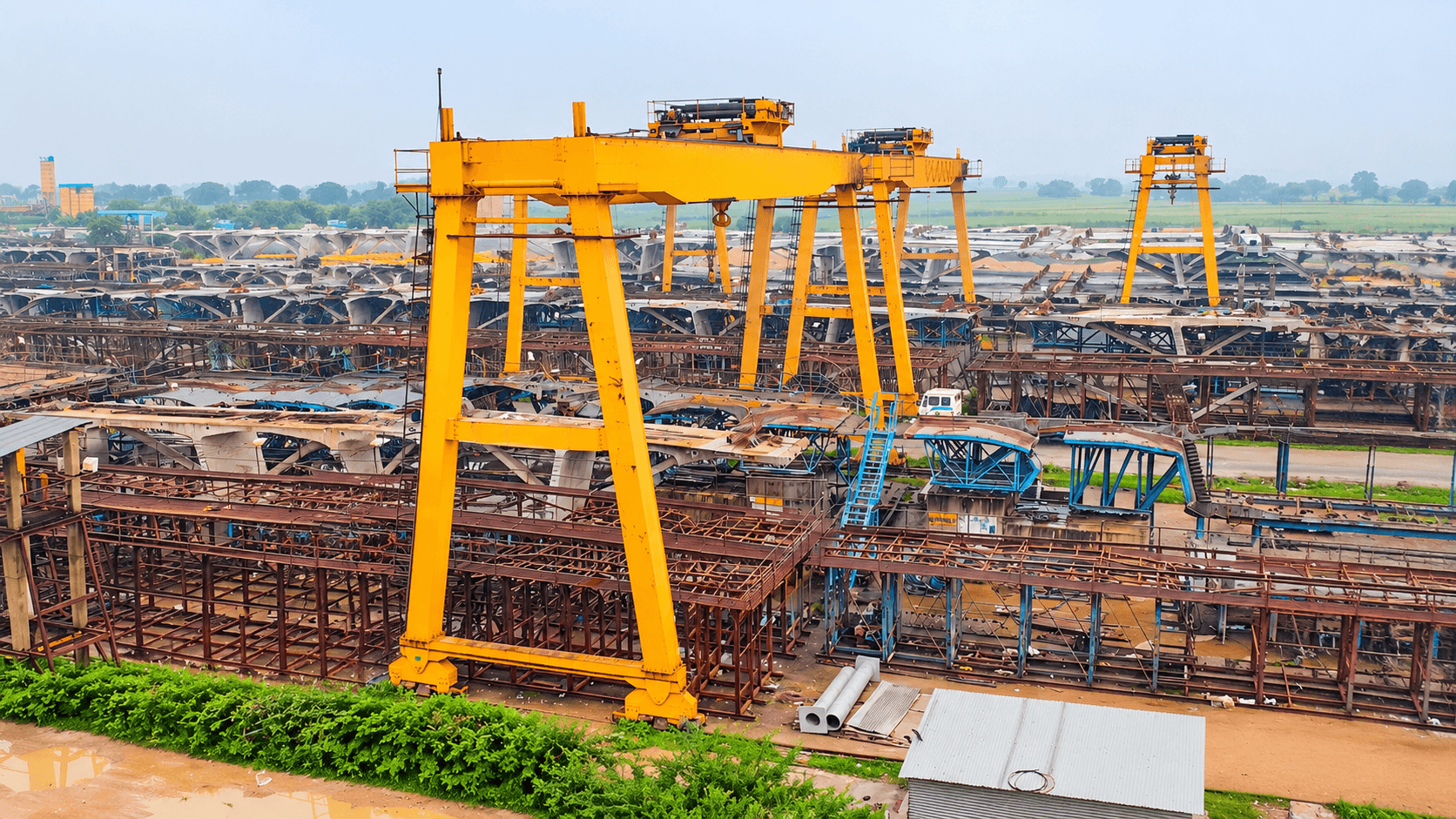
Total Cost of Ownership of an EOT Crane
See what an EOT crane really costs over 15 years, and how to compare quotes on lifecycle cost instead of purchase price.
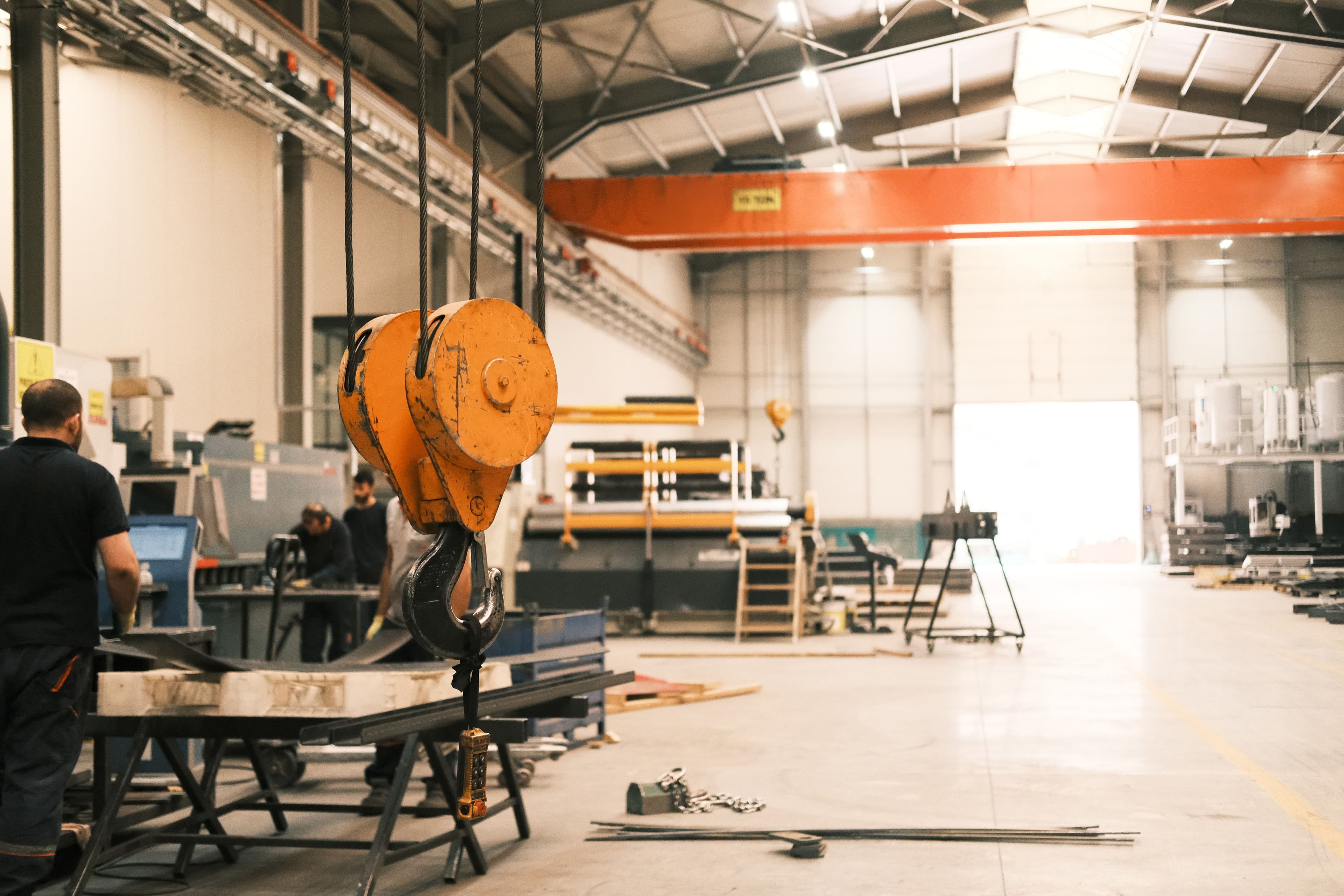
EOT Crane Repair and Modernization
EOT crane repair and modernization: warning signs, repair vs replacement, key upgrades and what to share for a quote.
Need a Custom Lifting Solution?
Let’s Talk!
Looking for a reliable partner for your next industrial project?
- Expert Consultation
- Pan-India Service